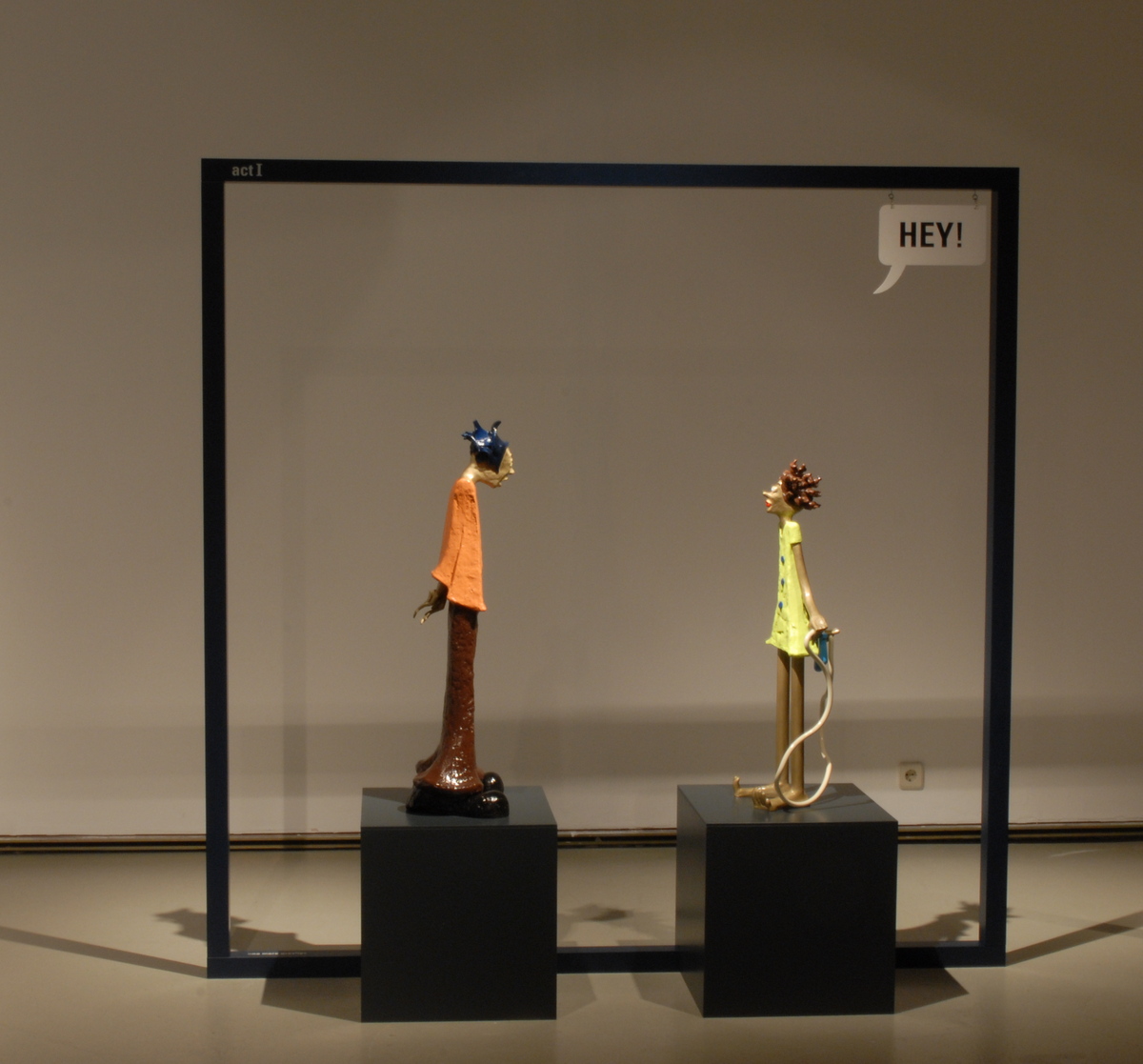
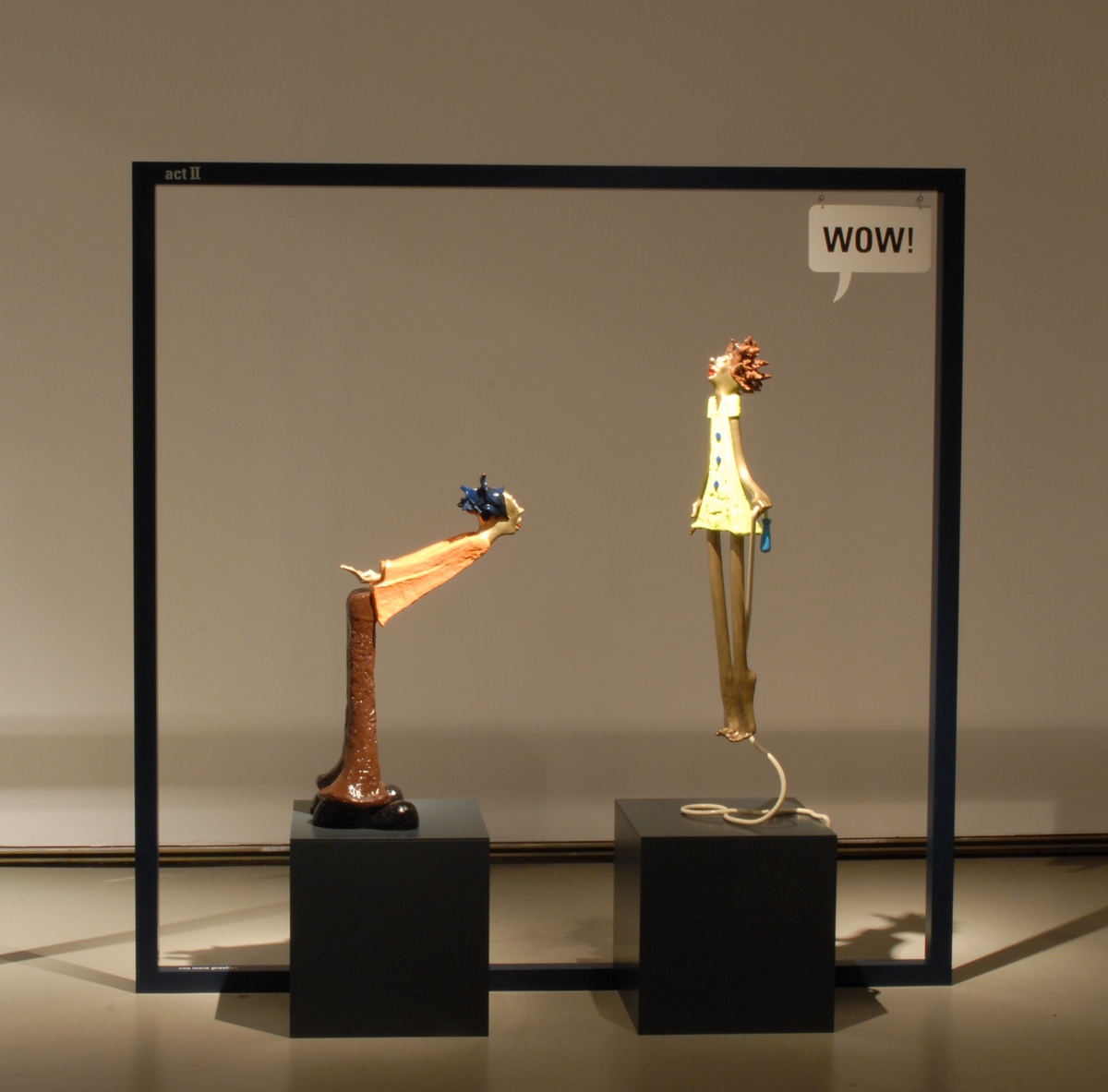
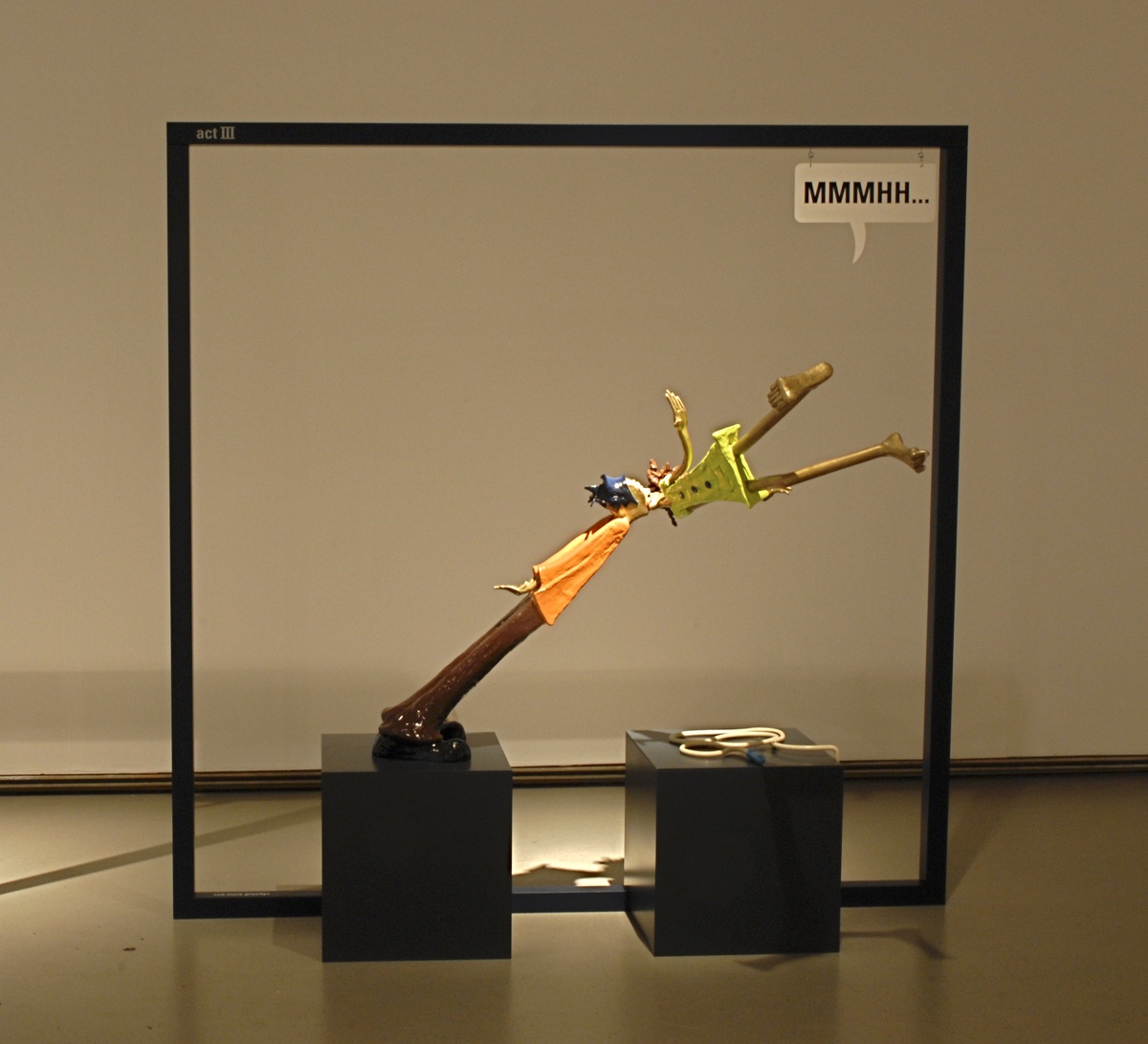
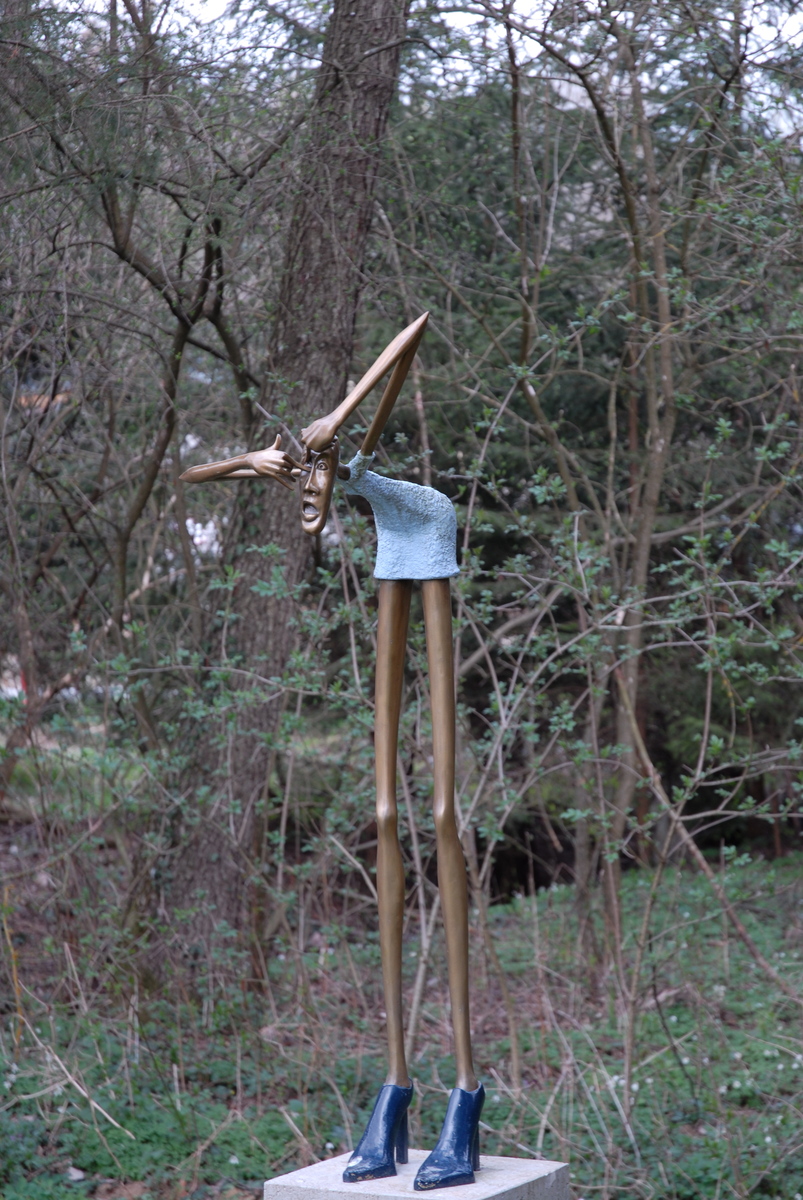
He is represented by galleries such as ArtMonopol in Salzburg, “Sous-Terre” in Amsterdam, and the State-Of-The-Arts Gallery in Hong Kong. His work has also been showcased at prominent art fairs and exhibitions, including Art Miami, Art Palm Springs, and Primavera in Rotterdam.
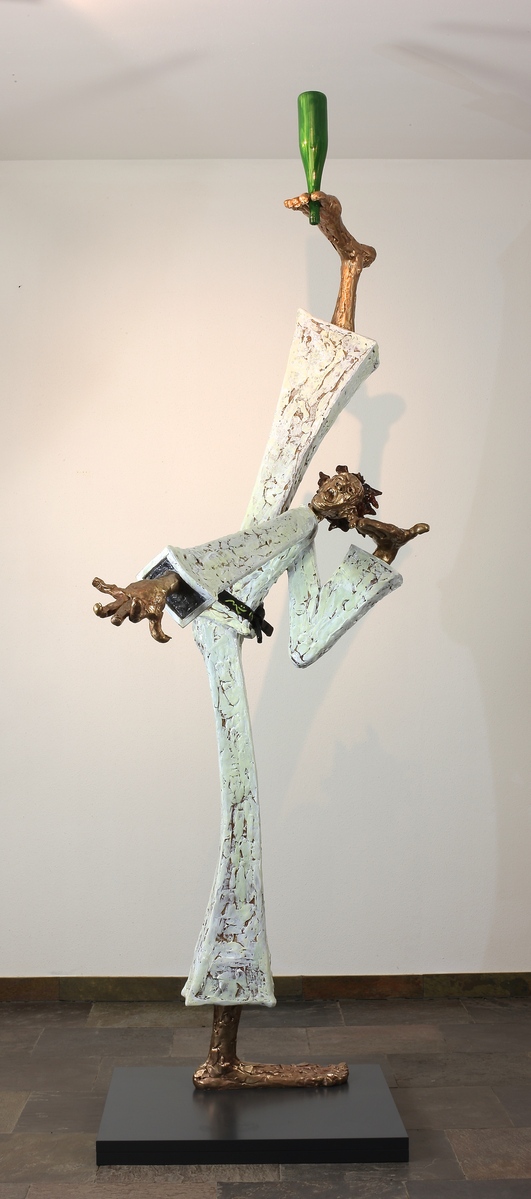
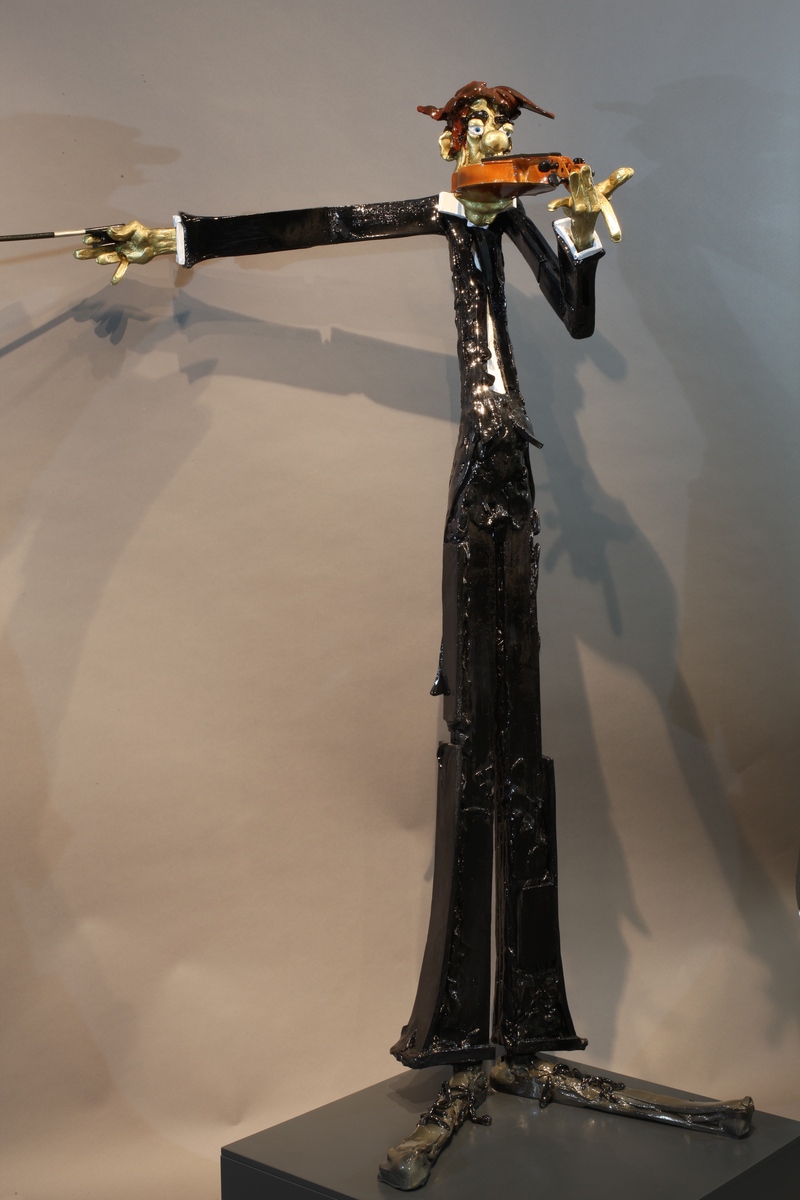
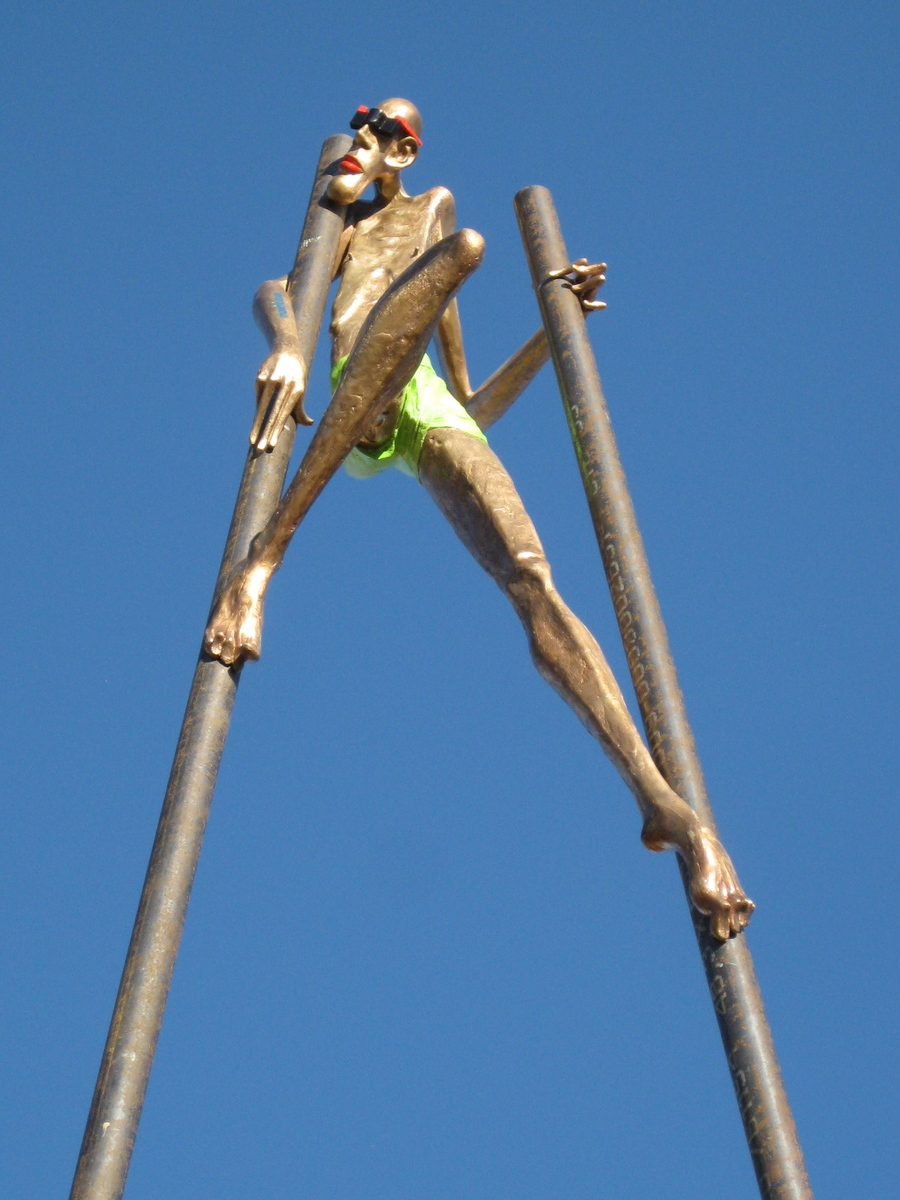
The central theme of Paul Mühlbauer’s work is humanity and life itself. His aim is to convey the joy of living freely, unburdened, and self-determined. His playful, sometimes weightless, slightly grotesque human figures, often depicted in a comic-like style, burst with bright, pure colors and a surface cheerfulness—but only at first glance.
These elongated, towering creatures serve as mirrors held up by the artist, reflecting distorted images of ourselves, society, and the lives we lead today. Our existence is often aimless or stripped of imagination, or we have been misled by false ideologies, or we have forgotten how to love freely. Delving deeper into his work reveals the true reality—quirky, sad, and humorous. As the artist himself says: “It is important to critique time and society—and the best way to do so is with laughter.”
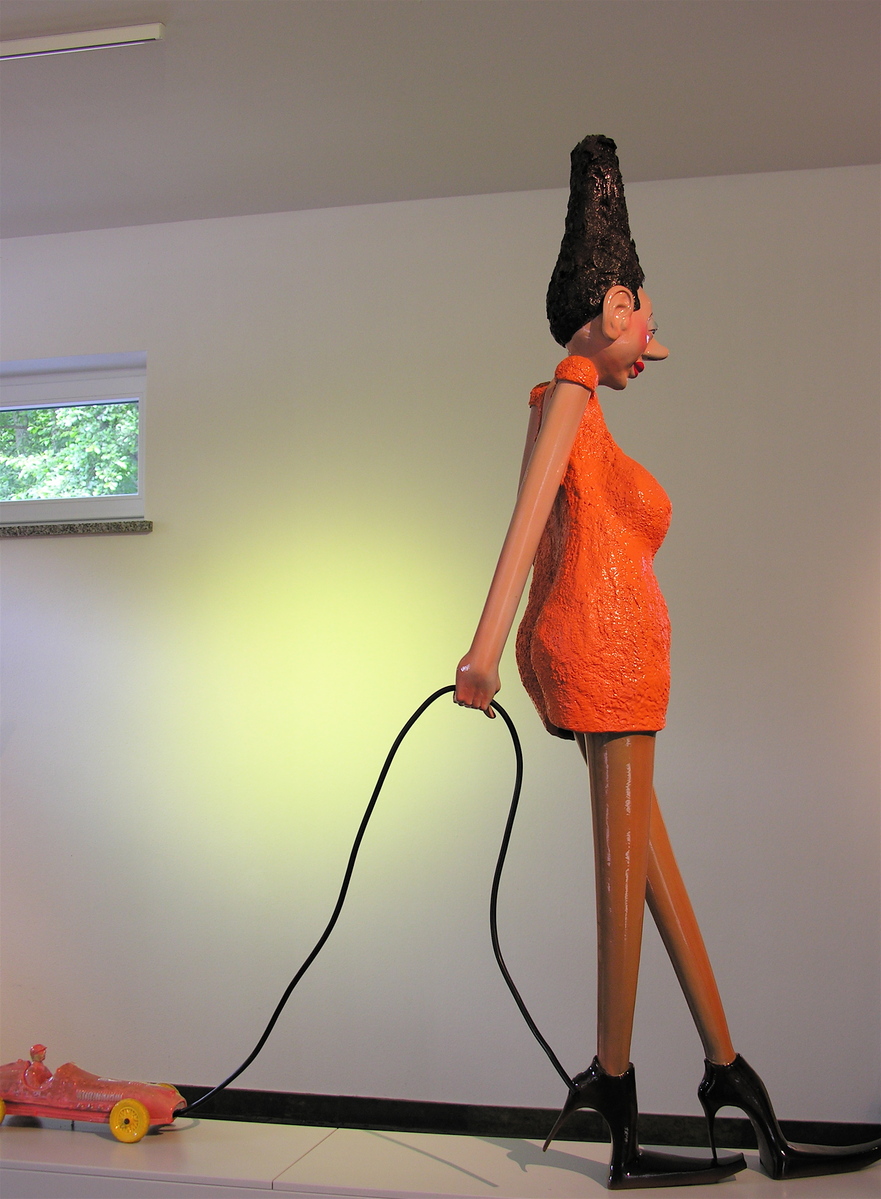
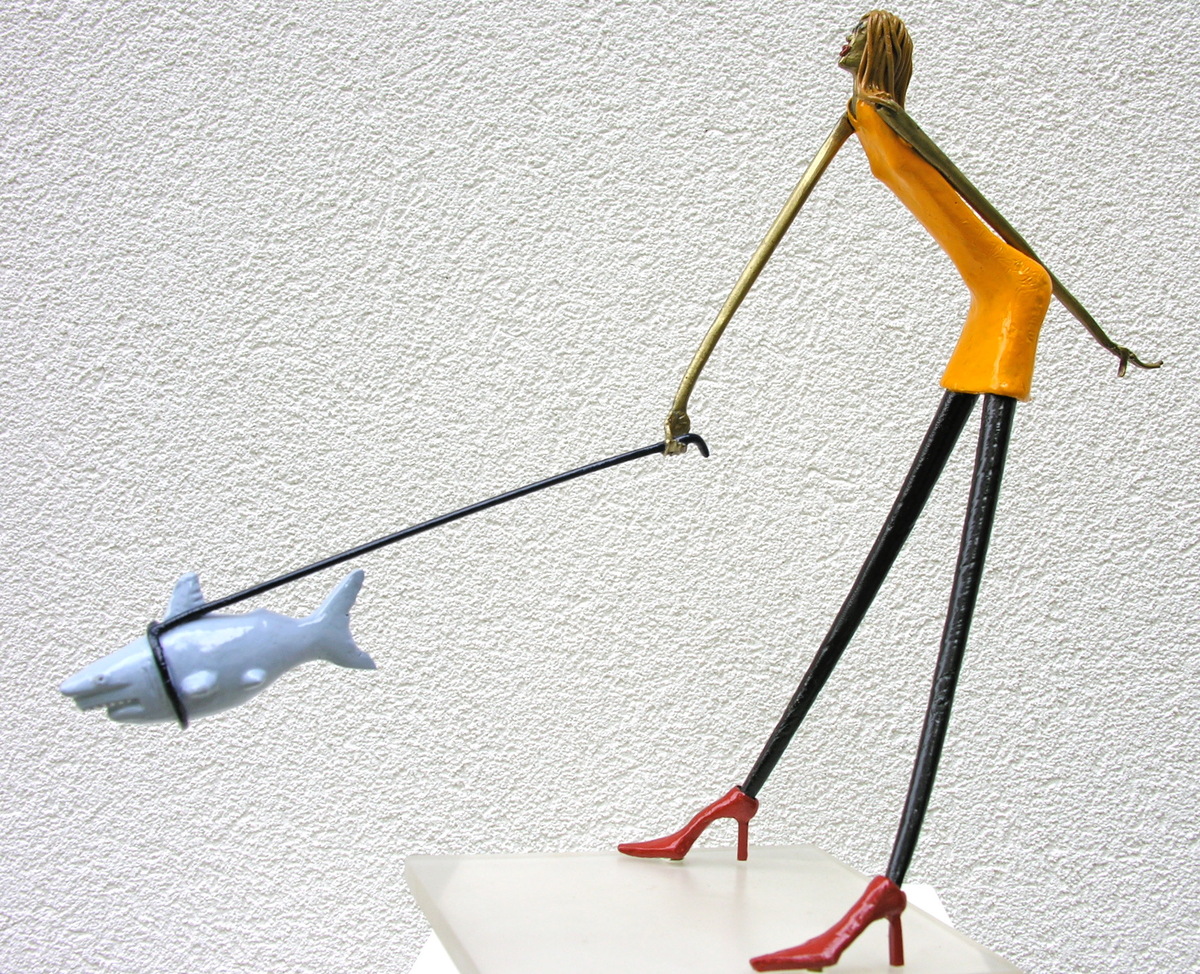
Mühlbauer captures everyday human life: people on the street, in the subway, or scenes inspired by television programs. His work is rich in absurdity and imagination. For example, in one sculpture, a woman walks a freely floating shark on a leash—the shark impatiently resists, and the woman struggles to hold it back. Is this a call for us all to live life with more imagination?
Many of Mühlbauer’s works explore love and intimacy with a playful yet insightful eye. Human behaviors such as awkwardness, shyness, and social inhibition are exaggerated through posture and expression, eliciting both recognition and humor. With a subtle shock or twist, he provokes, startles, and even vulgarizes—naked, clumsy figures evoke both amusement and empathy. A kissing couple literally melting into each other becomes a small hymn to love and eroticism.
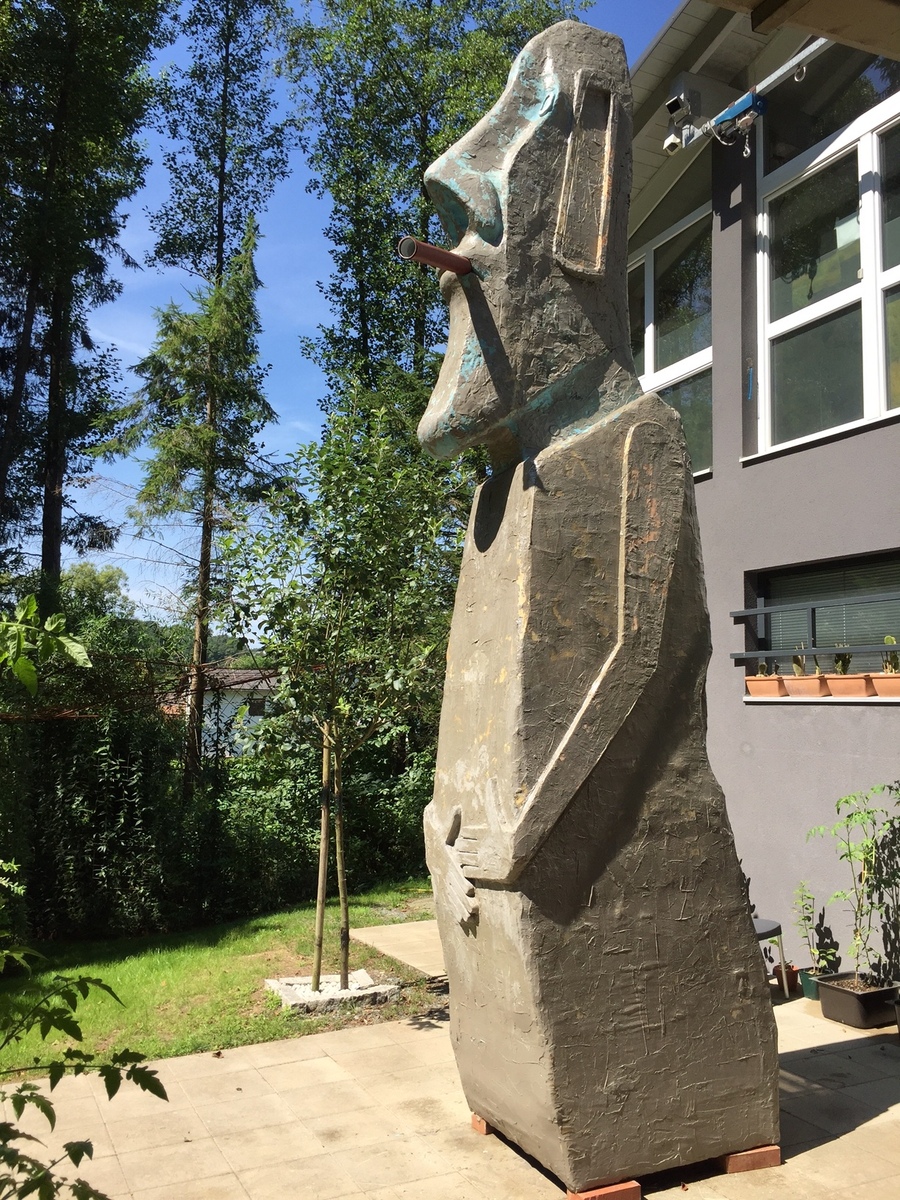
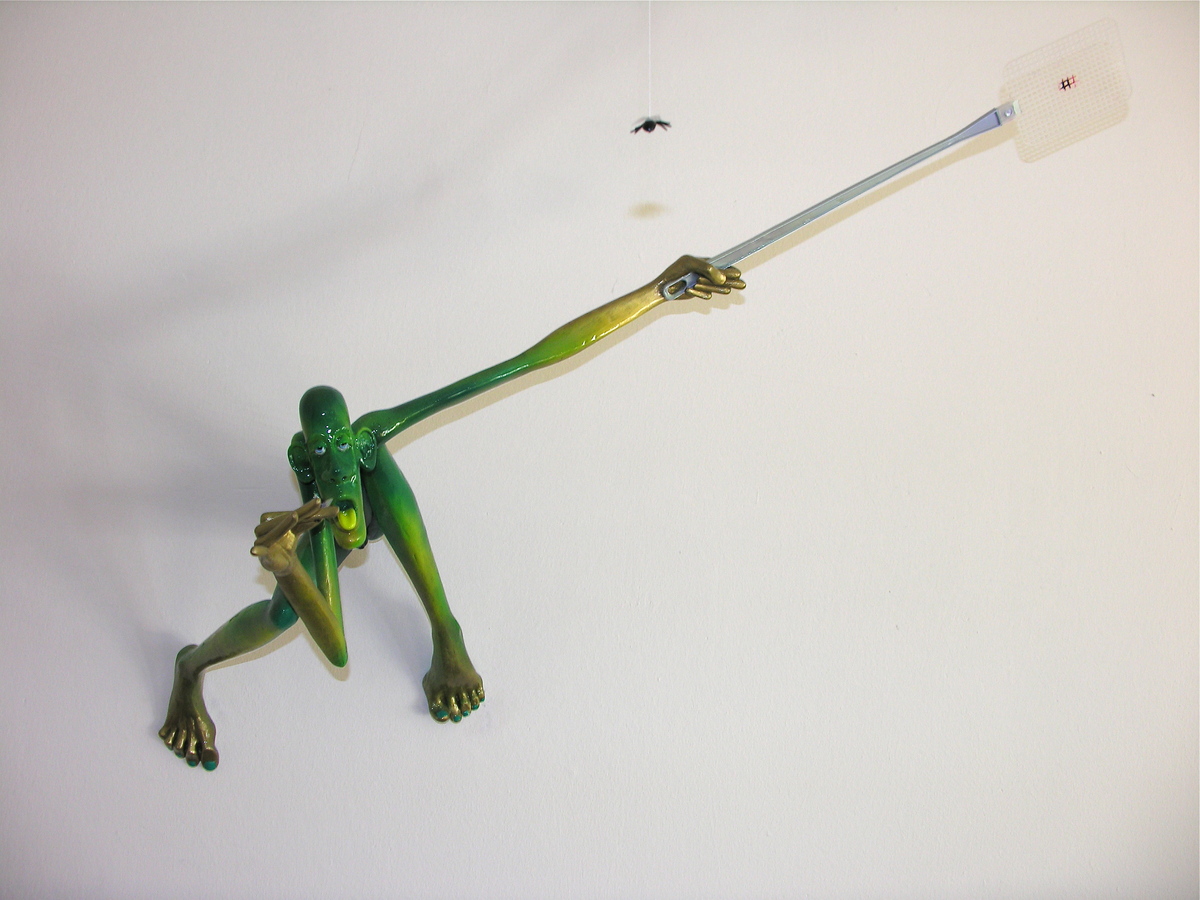
Mühlbauer’s world is populated by small (10–35 cm) and large (up to 5 m) bronze sculptures, hand-painted with vibrant metallic colors. Some interact with nature, while others respond to the gallery or studio space. His unique production technique involves mixed materials—wood, iron, wax, plastic—combined with objet trouvés or ready-made objects from everyday life. For instance, the shark on a leash is a preexisting toy repurposed for artistic expression. As Mühlbauer says: “Why reproduce what already exists?”
The goal is not to replicate reality—as Dadaists and Surrealists rejected—but to create a new artistic reality. Elevating mundane objects to art has a lineage dating back to Duchamp’s Bicycle Wheel (1913). By using such materials, Mühlbauer both deceives and delights: brightly painted bronze casts appear light and almost weightless, only revealing their true medium when lifted.
His numerous sculptures of various creatures, from humans to fish and snails, celebrate life in all its forms.
"My concept of art is life itself—and to live it freely. When this happens, that is art!" – Paul Mühlbauer