Born in Kyiv in 1984 into a family of artists, Nikolay Dmitrenko carries forward a lineage in which art is both vocation and destiny. After completing his studies at the National Academy of Fine Arts and Architecture in 2008, he continued his formation at the prestigious State Academic Institute of Painting, Sculpture and Architecture named after I. Repin in St. Petersburg, graduating in 2013.
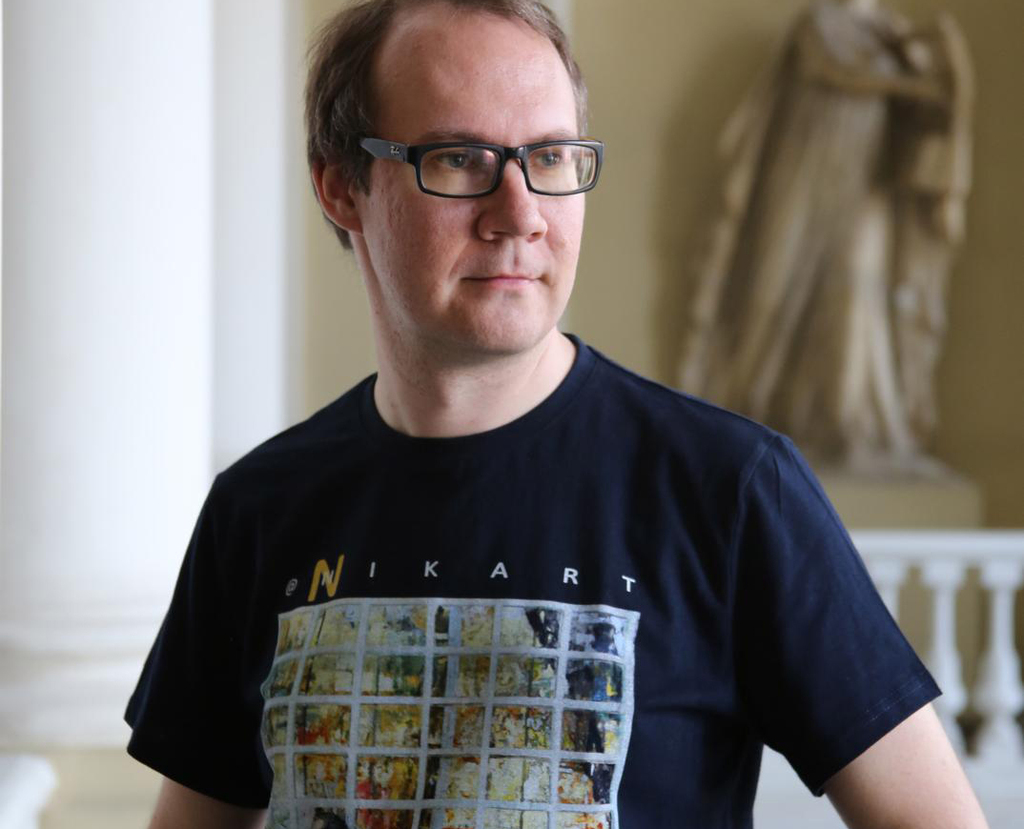
This classical grounding, combined with his own exploratory vision, has shaped an artist whose practice merges deep academic mastery with a contemporary sensibility attuned to the complexity of modern life. Dmitrenko has exhibited widely across Europe and Asia, with presentations in Austria, Italy, Ukraine, China and beyond.
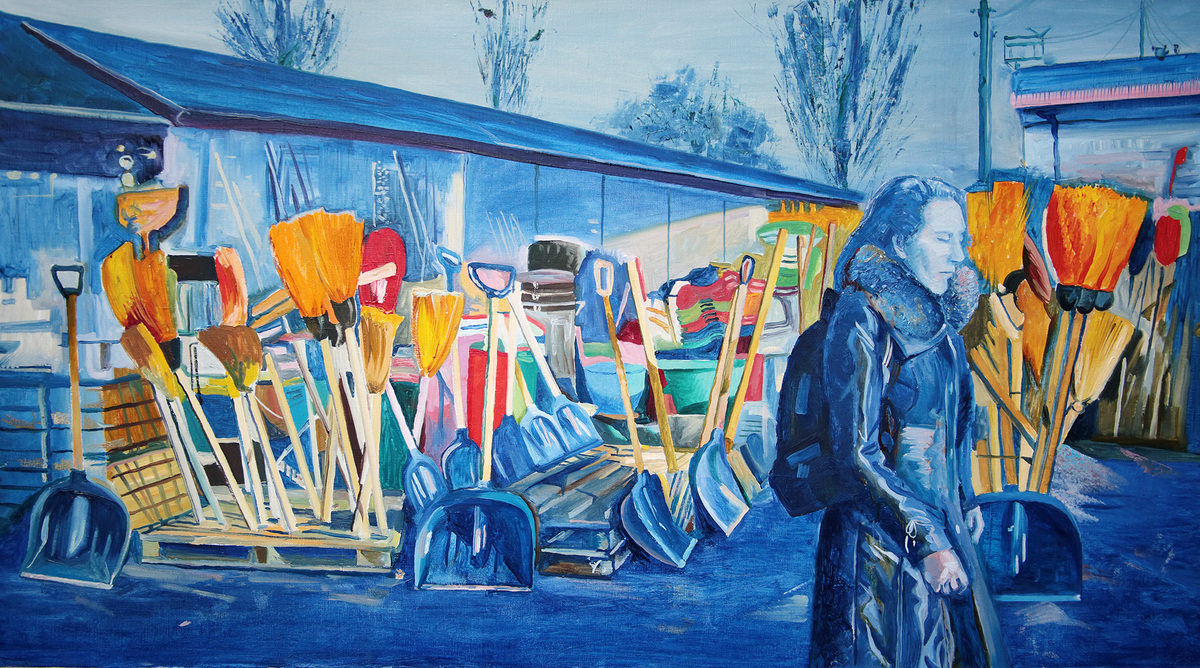
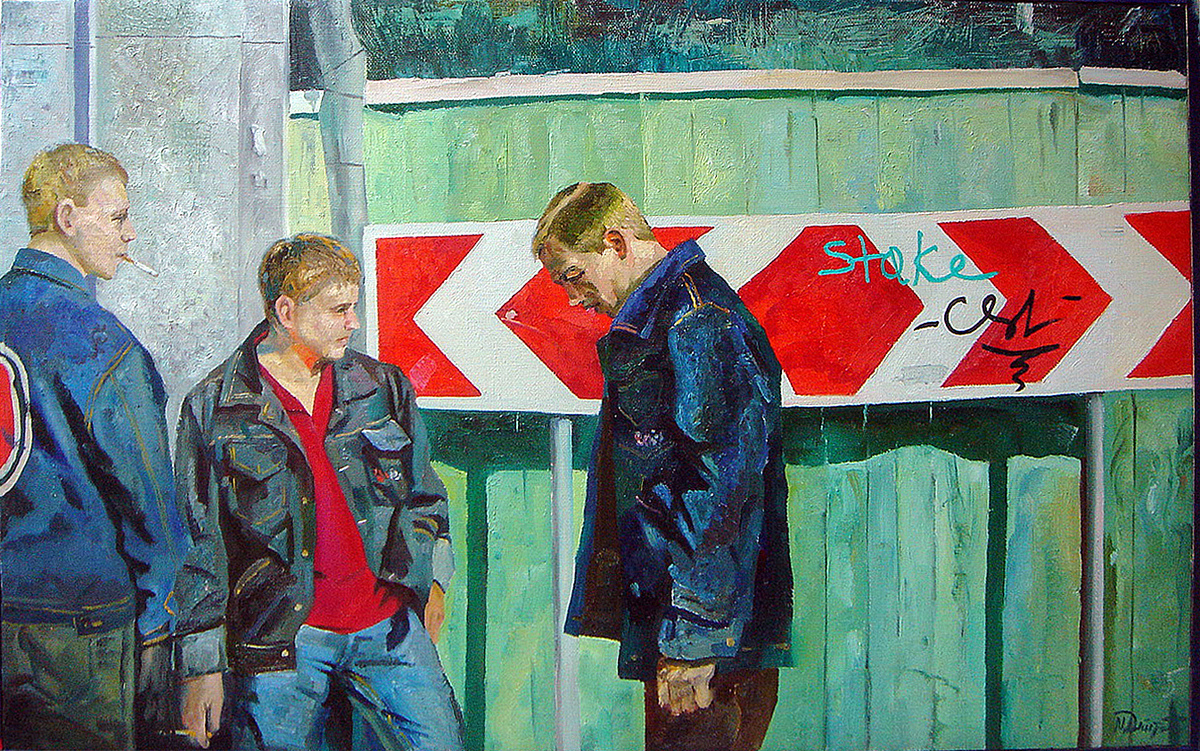
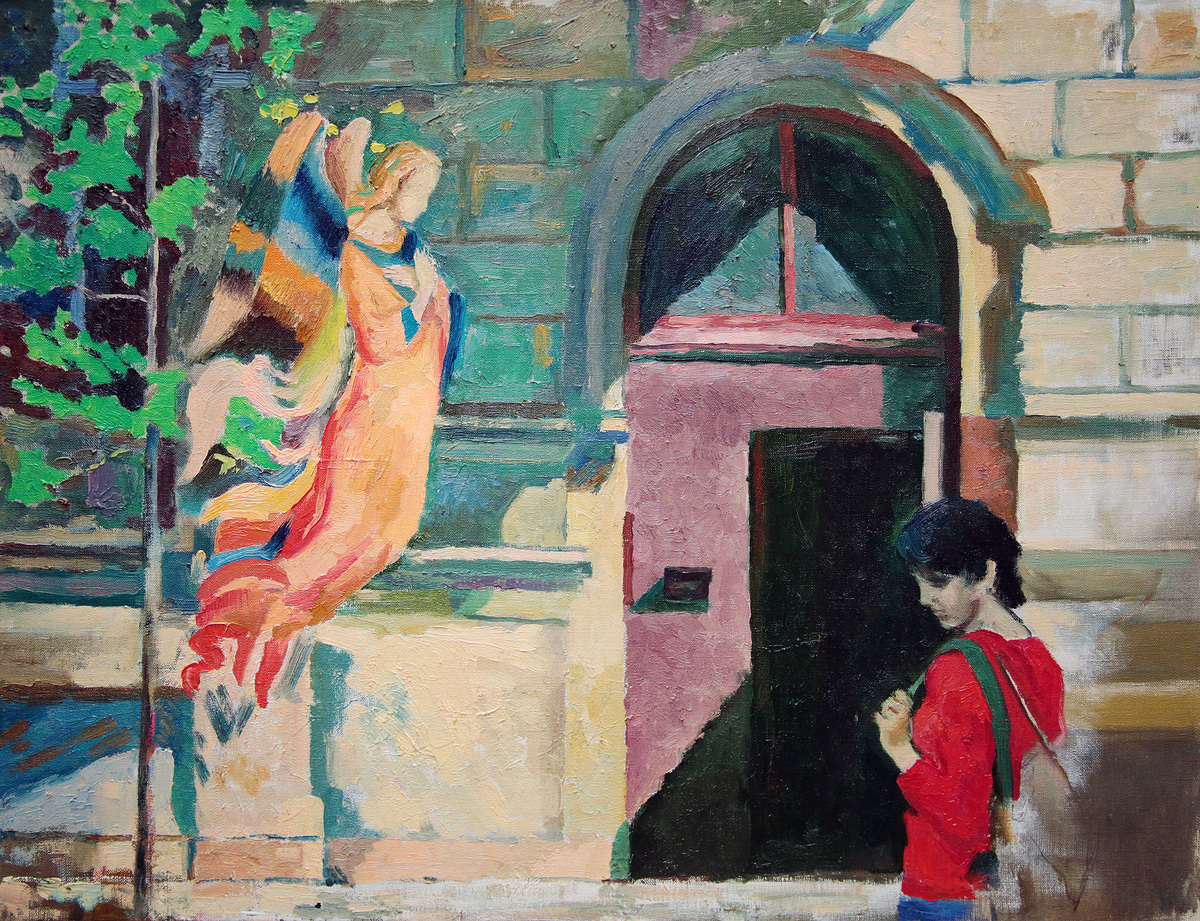
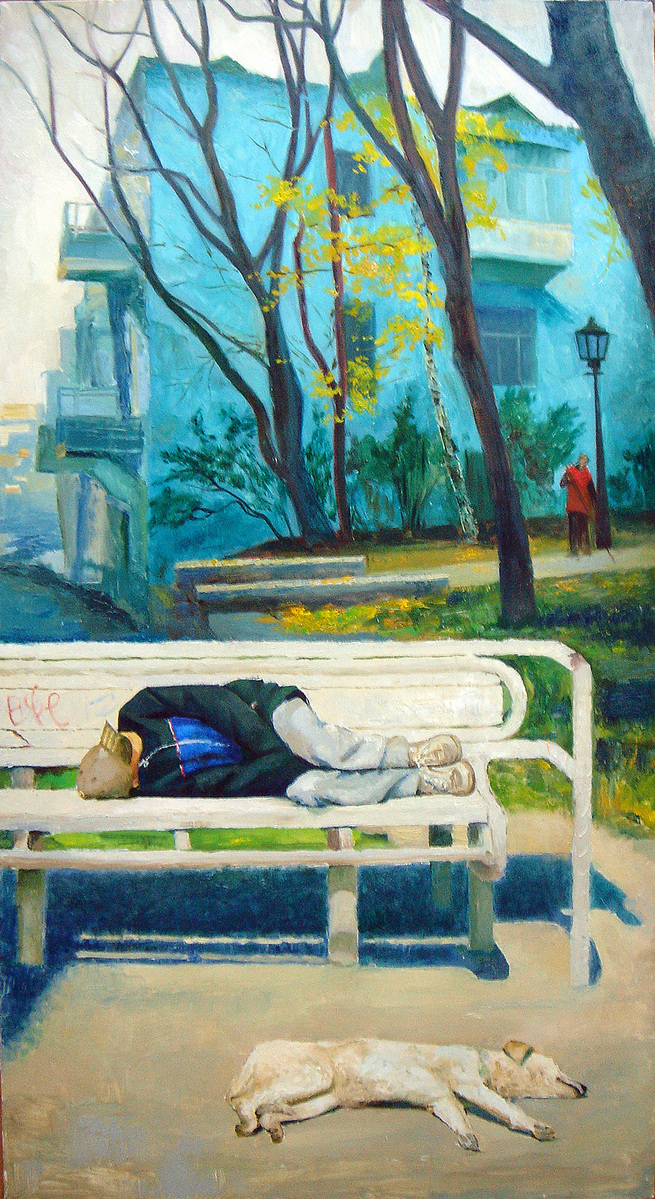
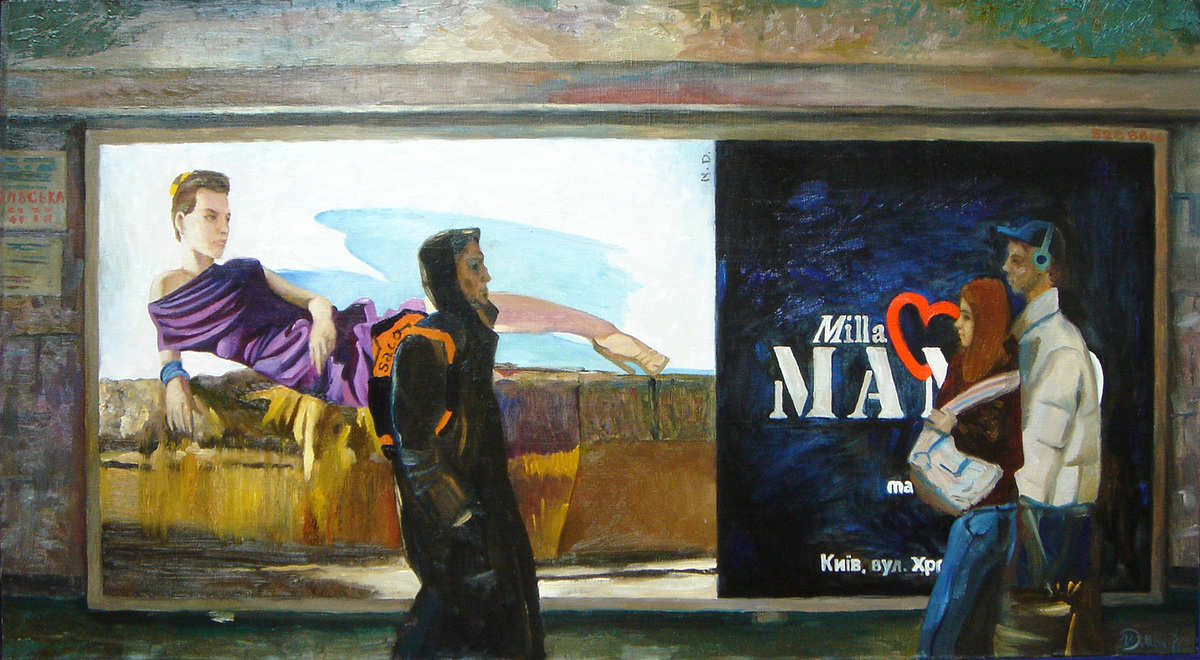
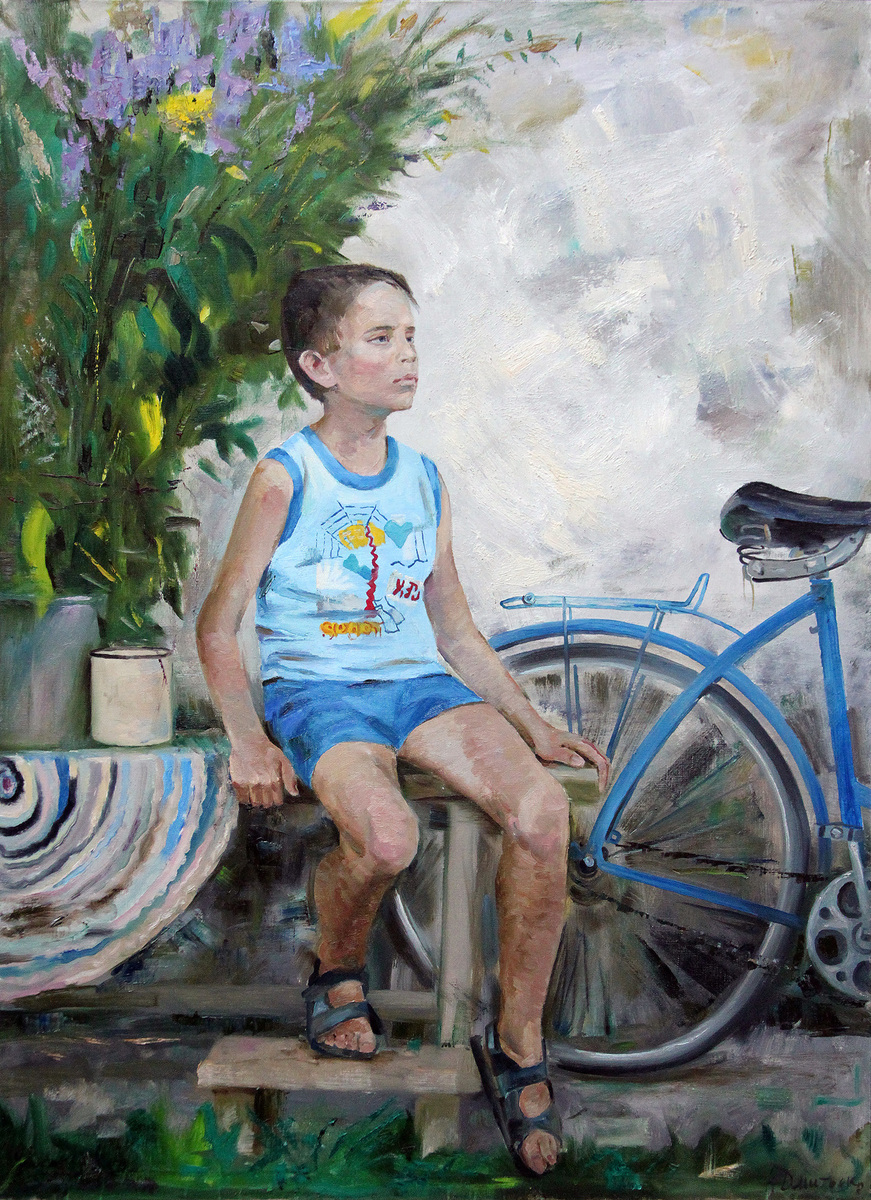
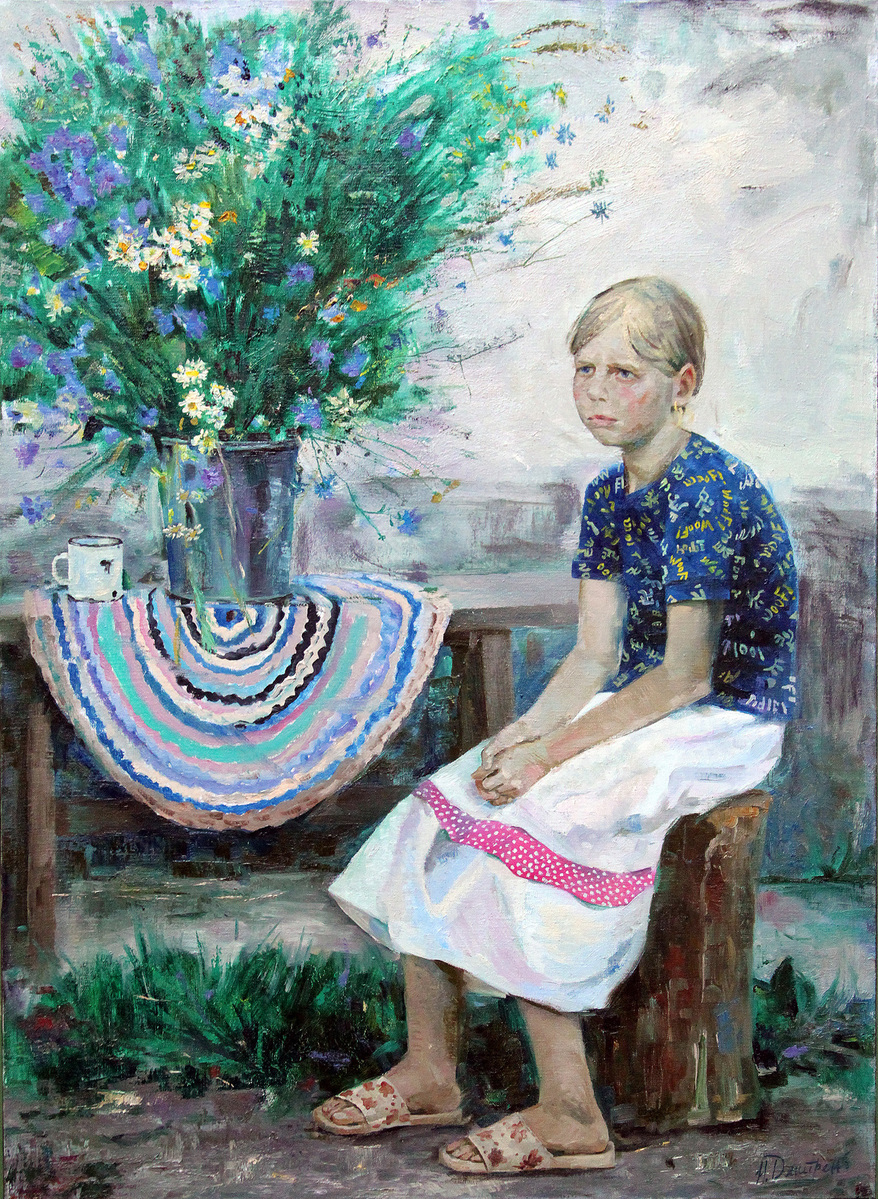
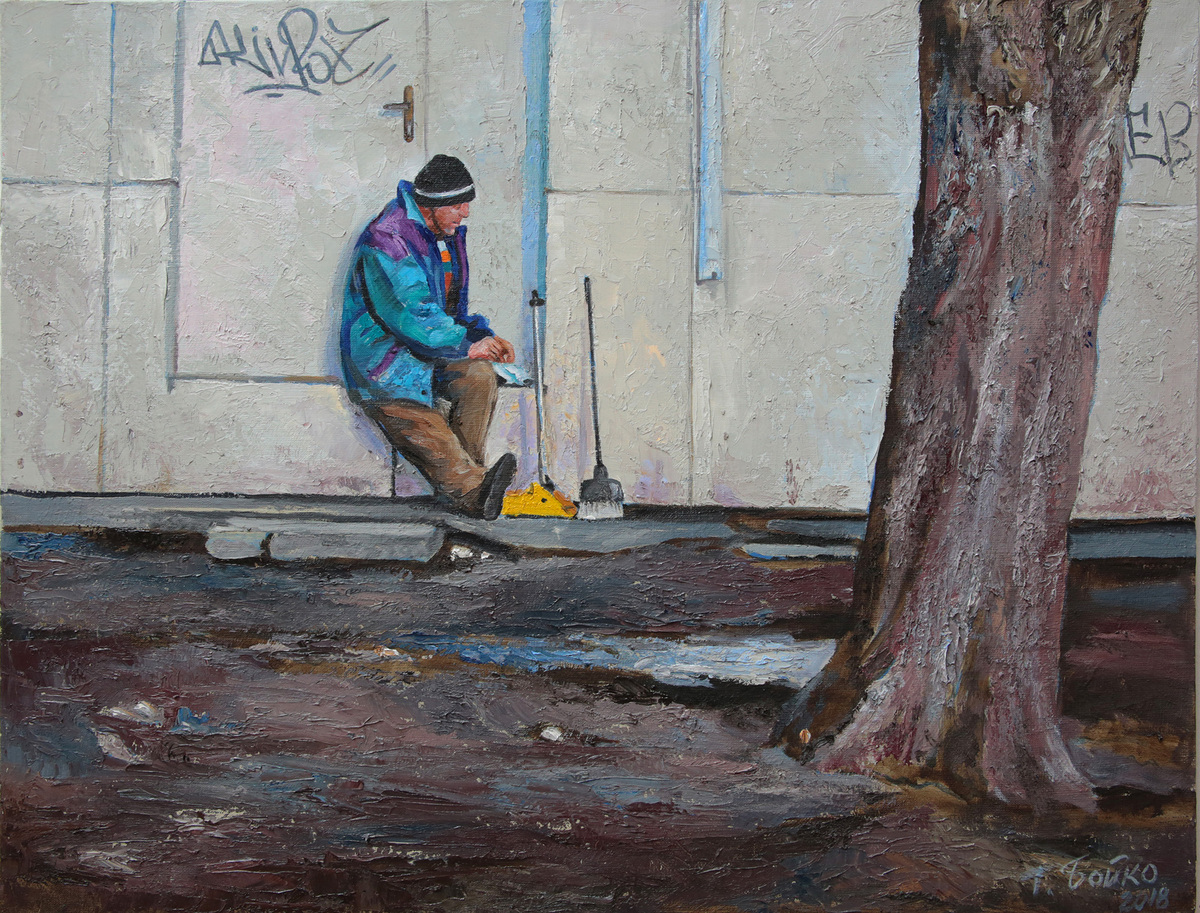
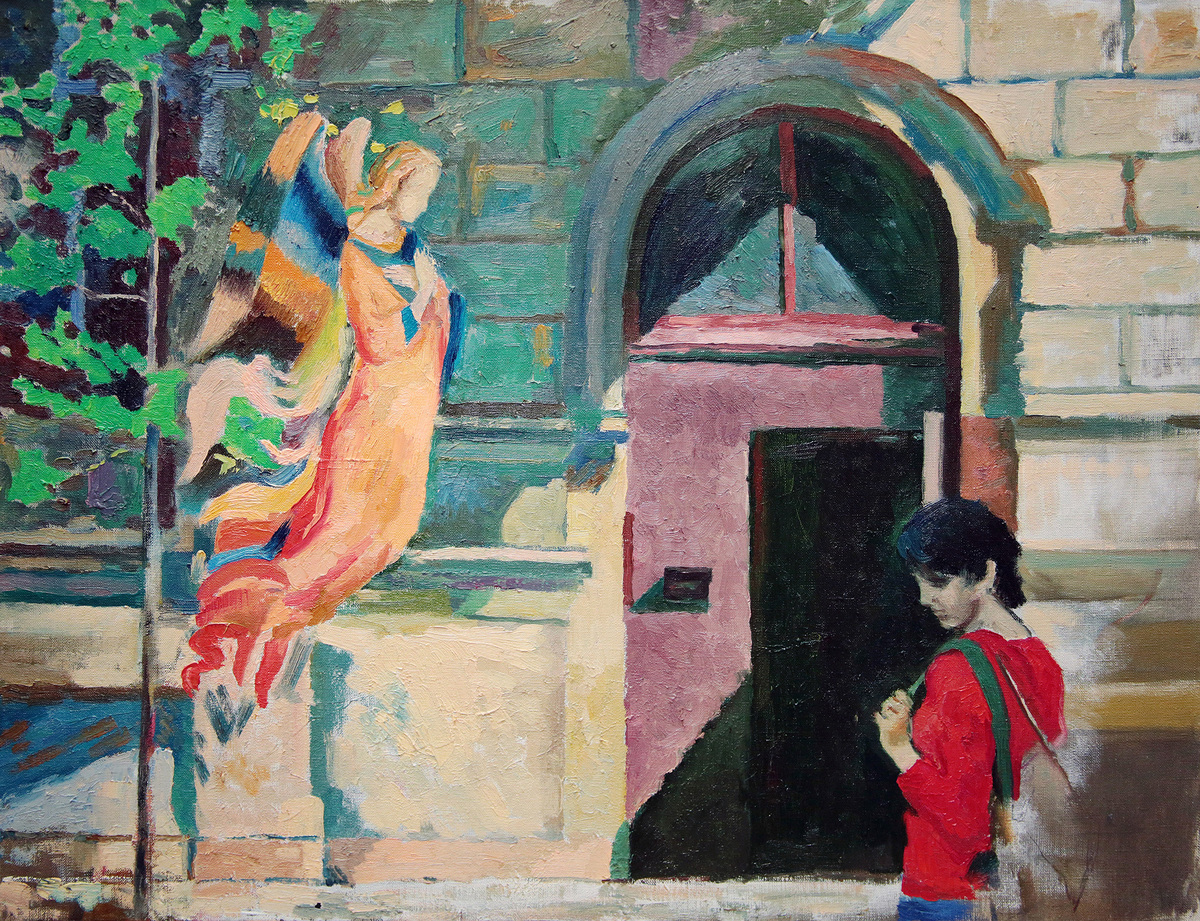
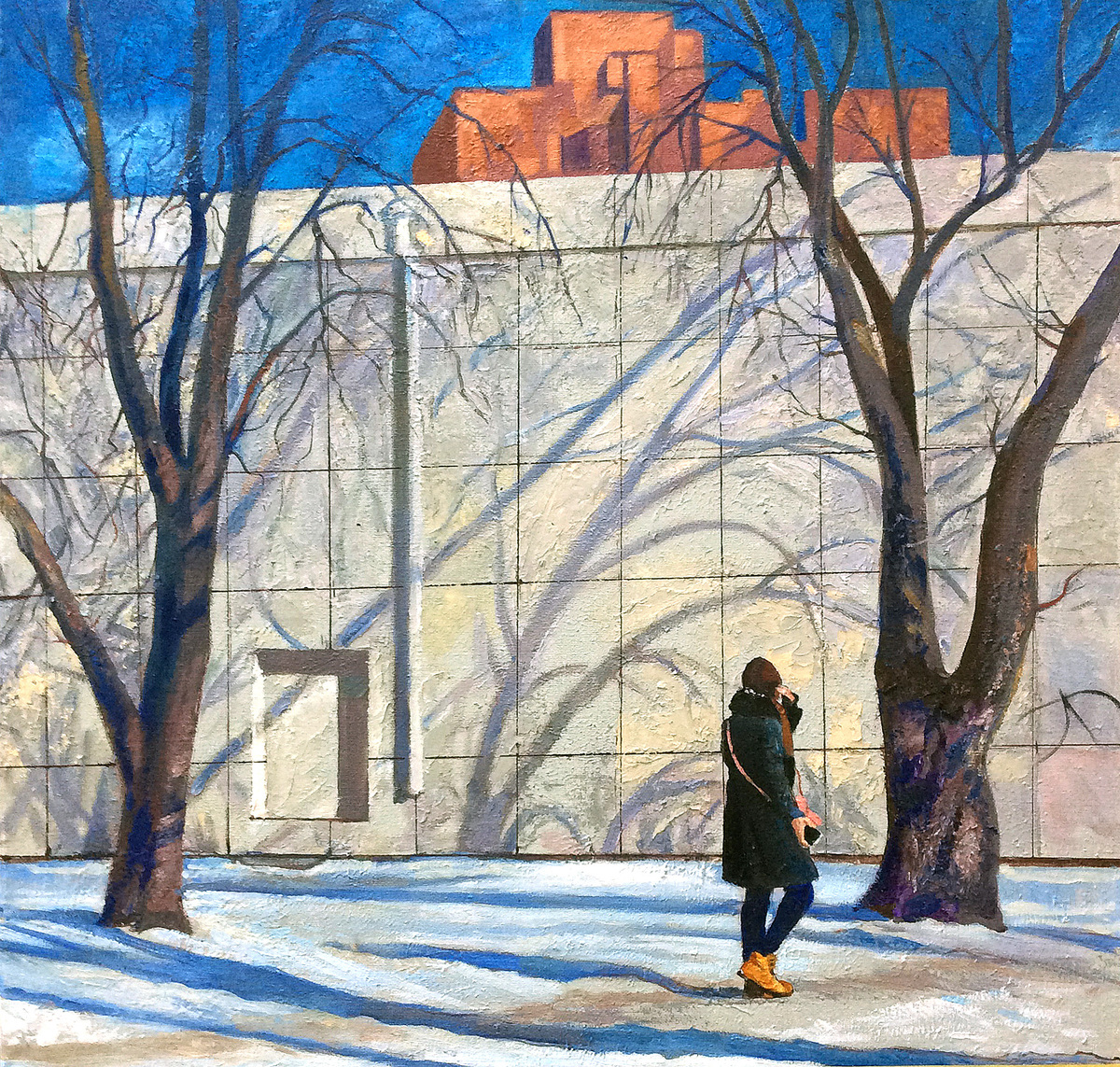
At the heart of Dmitrenko’s artistic philosophy lies the belief that the true sacrament of the painter is the transformation of color and line into a living, enduring emotional presence. His works strive toward a metaphorical dimension in which everyday scenes and fleeting gestures become carriers of universal human experience. In the smallest details, he searches for the traits shared by all people—expressions of joy, fragility, longing, and the ceaseless movement of life. His enduring fascination with the dynamism of the contemporary world, especially the rhythms of the urban megapolis, becomes the guiding force of his imagery. City dwellers—anonymous yet emblematic—emerge as protagonists of our era, caught between transience and intensity, chaos and beauty.
Dmitrenko’s artistic process is deliberate and deeply considered. Many works develop over several years, passing through stages of drawing, gathering material from life, and refining compositional solutions before a final canvas emerges. This method reflects the profound education that underpins his practice: rather than capturing a moment, he rethinks it, allowing its emotional and symbolic resonance to expand. His paintings often balance classical discipline with an almost poetic conceptuality, situating them within a distinctly contemporary discourse.
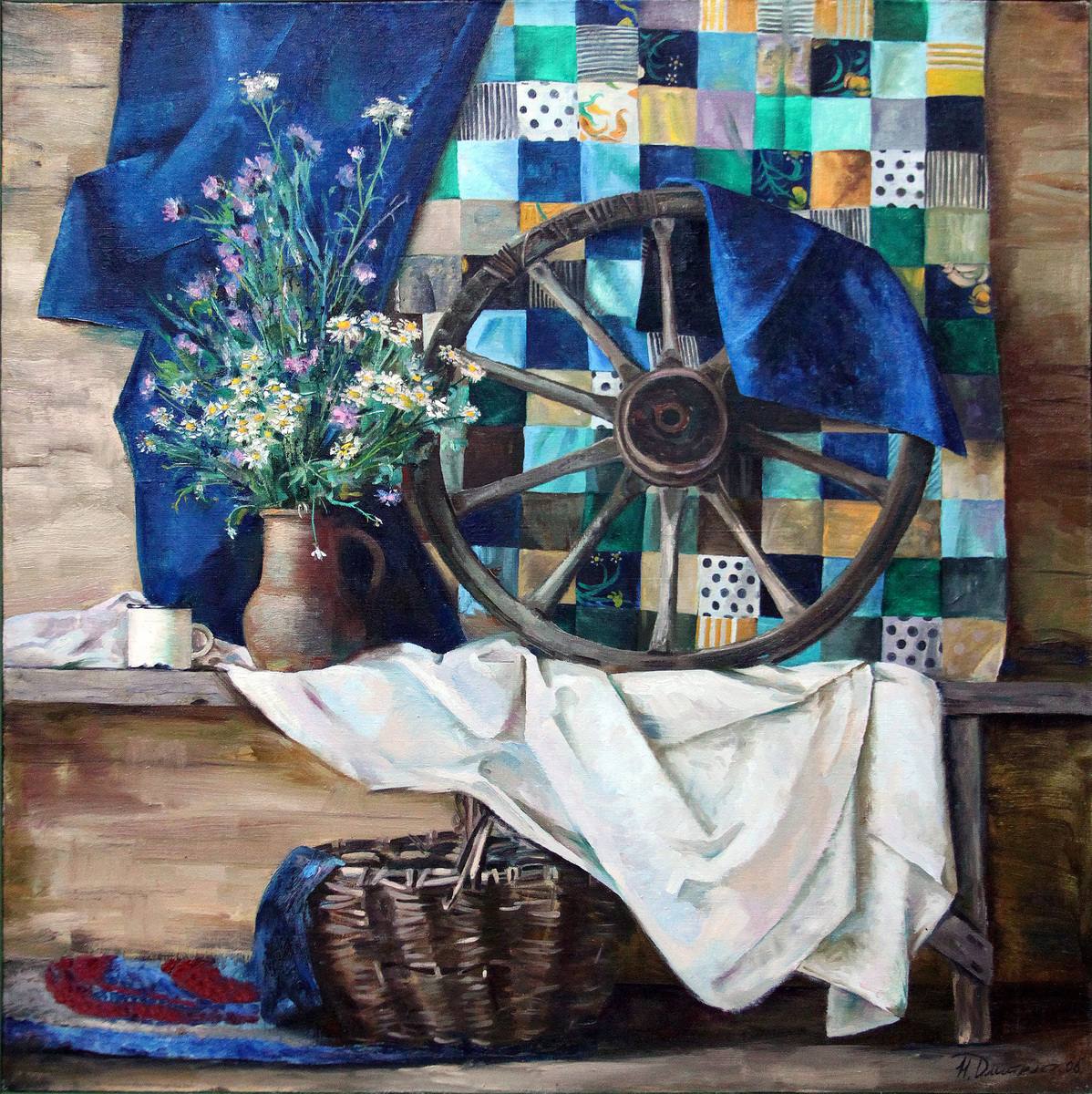
Color is Dmitrenko’s most essential expressive tool. He uses chromatic relationships to articulate movement, emotional atmosphere, and the inner energy of the modern world. Color becomes structure, pulse, and meaning—an organizing force that lends coherence and psychological depth to each work. Through color, Dmitrenko creates worlds that feel at once tangible and symbolic, immediate and timeless.
As a co-founder of the movement known as “Intellectual Realism,” Dmitrenko positions himself within a tradition that merges rigorous figurative craft with philosophical reflection. Intellectual Realism seeks not only to represent reality, but to interpret it—transforming lived experience into visual thought. In this sense, Dmitrenko’s practice stands as both an homage to classical painting and an evolution of it, extending its possibilities for a world defined by speed, complexity, and continuous change.
Across his career, Nikolay Dmitrenko has remained committed to revealing the profound within the ordinary, the eternal within the fleeting. His paintings invite viewers to contemplate the emotional architecture of contemporary existence—its tensions, its motion, and its quiet metaphors—offering images that resonate far beyond their immediate scenes.